Top 10 communication channels you absolutely need to know!
In today's constantly evolving media landscape, it is crucial for brands to diversify their communication channels. This approach not only allows reaching a broader audience but also adapts to the varied preferences of consumers regarding media consumption. By combining traditional and digital channels, companies can create a coherent and effective communication strategy, thus maximizing their visibility and impact. Let's explore together the 10 essential communication channels that every business should know and consider in their marketing strategy.
Part 1: Traditional Channels
1. Out Of Home Advertising (OOH, DOOH, MOOH)
Out Of Home Advertising remains a cornerstone of brand communication. Its importance lies in its ability to reach a wide audience in public spaces, offering unparalleled visibility.
Advantages of outdoor advertising:
- High visibility and reach
- Strong visual impact
- Precise geographic targeting
- Brand awareness reinforcement
Different forms of outdoor advertising (OOH, DOOH, MOOH)
- OOH (Out-of-Home): Traditional advertising such as billboards and bus shelters.
- DOOH (Digital Out-of-Home): Digital screens in public spaces, enabling dynamic and interactive content.
- MOOH (Mobile Out-of-Home): Advertising on mobile platforms such as buses or taxis, combining mobility and visibility.
2. Television advertising
Impact of television advertising
Television remains a powerful mass medium capable of reaching millions of viewers. It offers a unique combination of sound and image, allowing the creation of memorable and emotionally engaging advertisements.
Targeting and segmentation on television
Advertisers can target their audience by choosing specific time slots, thematic channels, or particular programs based on the demographics and interests of their target audience.
Innovations in television advertising
Segmented TV advertising represents a major breakthrough in television advertising. It allows different ads to be broadcast to distinct households watching the same program, based on socio-demographic or behavioral criteria. This approach significantly improves the relevance and effectiveness of TV ad campaigns.
3. Radio advertising
Advantages of radio advertising
- Relatively low cost compared to other media
- Wide geographic coverage
- Flexibility in ad production and broadcasting
- Ability to create an intimate relationship with the listener
Segmenting your radio audience
Segmentation can be done by choosing specific radio stations (music, news, talk shows) or particular time slots (drive time, evening) to reach target audiences.
Use cases and success stories of radio advertising
Radio ads are particularly effective for local promotions, event announcements, and brand awareness campaigns. For example, many local businesses use radio to promote flash sales or special events, generating immediate traffic to their stores.
4. Print media
Why choose print media?
- Credibility and trust associated with printed media
- Engaged and attentive readership
- Longer lifespan than electronic media
- Ability to target specific niches
Types of print media (newspapers, magazines)
Newspapers: Updated daily, they offer great responsiveness for advertisers.
Magazines: Allow for more precise targeting through thematic publications and offer better print quality for visuals.
Local vs national advertising in print media
Print media can effectively target both local and national levels. Local newspapers are ideal for businesses looking to reach a specific community, while national publications offer broad coverage for brands aiming at a larger audience.
Part 2: Digital Channels
5. Social media
The power of social media for brands
Social media provides an unparalleled platform for direct consumer engagement, allowing brands to build a community, interact in real-time, and personalize their message.
The main social platforms (Facebook, Instagram, LinkedIn, etc.)
- Facebook: Ideal for demographic targeting and B2C campaigns.
- Instagram: Perfect for visual brands and influencer marketing.
- LinkedIn: Excellent for B2B and recruitment.
- Twitter: Effective for news and real-time engagement.
- TikTok: Popular with younger generations, ideal for viral content.
Social media advertising strategies
- User-generated content
- Influencer marketing
- Targeted ads based on interests and behavior
- Storytelling and engaging content
- Using each platform's native ad formats
6. Online display advertising
How display advertising works
Display advertising uses ad spaces on websites, mobile apps, and other digital platforms to display visual ads.
Common display ad formats
- Static or animated banners
- Interstitial ads
- Rich media ads
- Native ads
Advantages of display advertising
- Wide reach
- Precise targeting based on user data
- Measurability and real-time optimization
- Retargeting to re-engage site visitors
7. Online video advertising
The rise of video advertising
Online video is experiencing explosive growth, offering brands a powerful way to tell their story and engage consumers in an immersive way.
Main platforms (YouTube, social networks)
YouTube: The undisputed leader in online video, offering various advertising options.
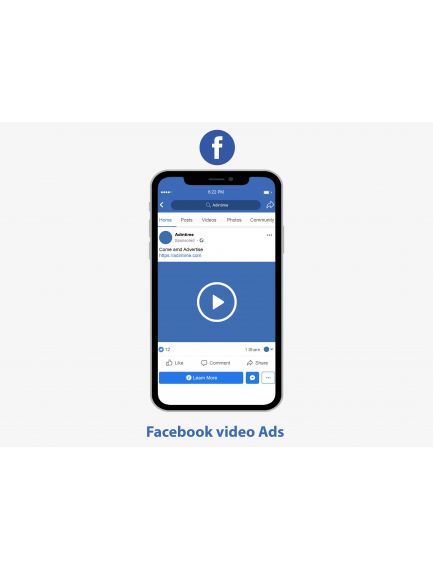
Facebook and Instagram: Native video integration in news feeds and stories.
TikTok: A platform focused on short videos, popular with young people.
Creating effective video content
- Capturing attention in the first few seconds
- Adapting content to the format and platform
- Using storytelling to create an emotional connection
- Optimizing for soundless viewing (subtitles, on-screen text)
8. Email marketing
The importance of email marketing
Email marketing remains one of the most cost-effective communication channels, offering a high return on investment and direct communication with customers.
Techniques for a successful email campaign
- Segmenting the mailing list
- Personalizing content
- A/B testing to optimize open and click rates
- Creating value-added content
- Optimizing for mobile
Measuring the success of your email campaigns
- Open rate
- Click-through rate
- Conversion rate
- Unsubscribe rate
- Return on investment (ROI)
9. Search engine advertising (SEA)
Understanding Search Engine Advertising
SEA involves placing paid ads in search engine results, targeting specific keywords.
Advantages of SEA over SEO
- Immediate results
- Precise control over targeting and budget
- Flexibility to quickly adjust campaigns
- Guaranteed visibility for targeted keywords
Main platforms (Google Ads, Bing Ads)
Google Ads: The dominant platform, offering massive reach.
Bing Ads: An interesting alternative, often less competitive and less expensive.
Part 3: Emerging Channels
10. Podcast advertising
Why invest in podcasts?
Podcasts are rapidly growing and offer a unique way to reach an engaged and niche audience.
Types of podcast ads
- Pre-roll, mid-roll, and post-roll spots
- Sponsoring entire episodes
- Host-read mentions
- Creating branded content in the form of a podcast
Examples of successful campaigns
Many brands have achieved significant success with podcast advertising. For example, companies like Squarespace or Mailchimp have become synonymous with effective podcast advertising by sponsoring popular shows and creating memorable and relevant messages for their target audience.
In conclusion, an effective communication strategy relies on a judicious combination of these different channels, tailored to each brand's specific goals and the behaviors of its target audience. By understanding the strengths and particularities of each channel, businesses can create coherent and impactful multichannel campaigns, thus maximizing their reach and return on investment.



 Top 30 best ad musics of all time (Updated 2026)
 The influence of advertising on purchasing behavior
 What is commercial advertising?
 Top 5 colors to use for creating your advertising posters | Adintime
 Facebook Ads Library: The ultimate guide to winning campaigns

 DISCOVER

 Movember : How brands can get involved without a misstep ?
 How to build an effective media strategy in 2026
 The AIDA model in advertising : Definition and examples
 First-party data : Definition and challenges in the cookieless era
 Customer Acquisition Cost (CAC) : Calculation and optimization