New ! Find your advertising panels at a glance  DISCOVER

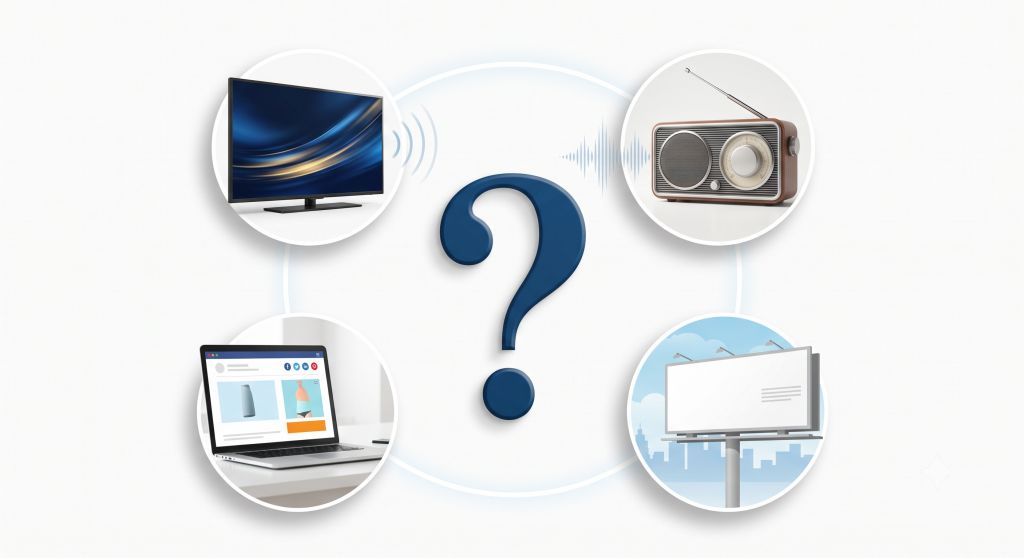
TV, radio, digital, OOH : Which media for which advertising objective?

Pôle Marketing

Article summary: Which media for which objective?

💡 The logic to remember

  • Each advertising channel has a natural "territory": TV builds recall (90 to 109 days on average), digital generates direct performance, radio builds local repetition, OOH anchors a geographical presence.
  • The most common mistake: allocating 100% of the budget to direct performance (search, conversion social) and finding yourself 18 months later with skyrocketing acquisition costs, due to a failure to maintain awareness.
  • There is no good or bad channel: there are channels that are suited or unsuited to a given objective.

📊 Recall by media (France 2025)

  • TV: average recall of 90 to 109 days, the longest of all media.
  • Radio: recall of 7 to 14 days, with a high contact frequency.
  • OOH / outdoor advertising: higher recall than digital, strong geographical presence.
  • Digital: shorter recall than traditional media, but direct measurement and precise targeting.
  • Press: recall of about 14 days, strong editorial context and credibility.

🎯 The main allocation rules

  • Broad and fast awareness: TV, online video, OOH.
  • Repetition and local traffic: local radio, geo-targeted OOH.
  • Performance and conversion: digital (search, social, retargeting, retail media).
  • Credibility and affinity targets: magazine press or professional press.

When you ask an advertiser why they chose one channel over another, the answer is often “because that's where our competitors are” or “it's what we've always done”. This is not a strategy. It is mimicry.

The right reasoning goes the opposite way: define what you want to achieve, identify who you need to reach, and choose the channel or channels capable of doing it. This guide gives you the practical elements to make a decision.

The core logic: objective first, channel second

Every channel decision comes down to three questions:

What do I want to achieve?

Who do I need to reach?

What is my budget?

Advertising objectives can be grouped into two main approaches:

The awareness approach: making a brand, product, or event known. Creating demand. Building an image. The indicators are reach (coverage), frequency, GRP, and recall rate. The natural channels are TV, radio, OOH, and online video.

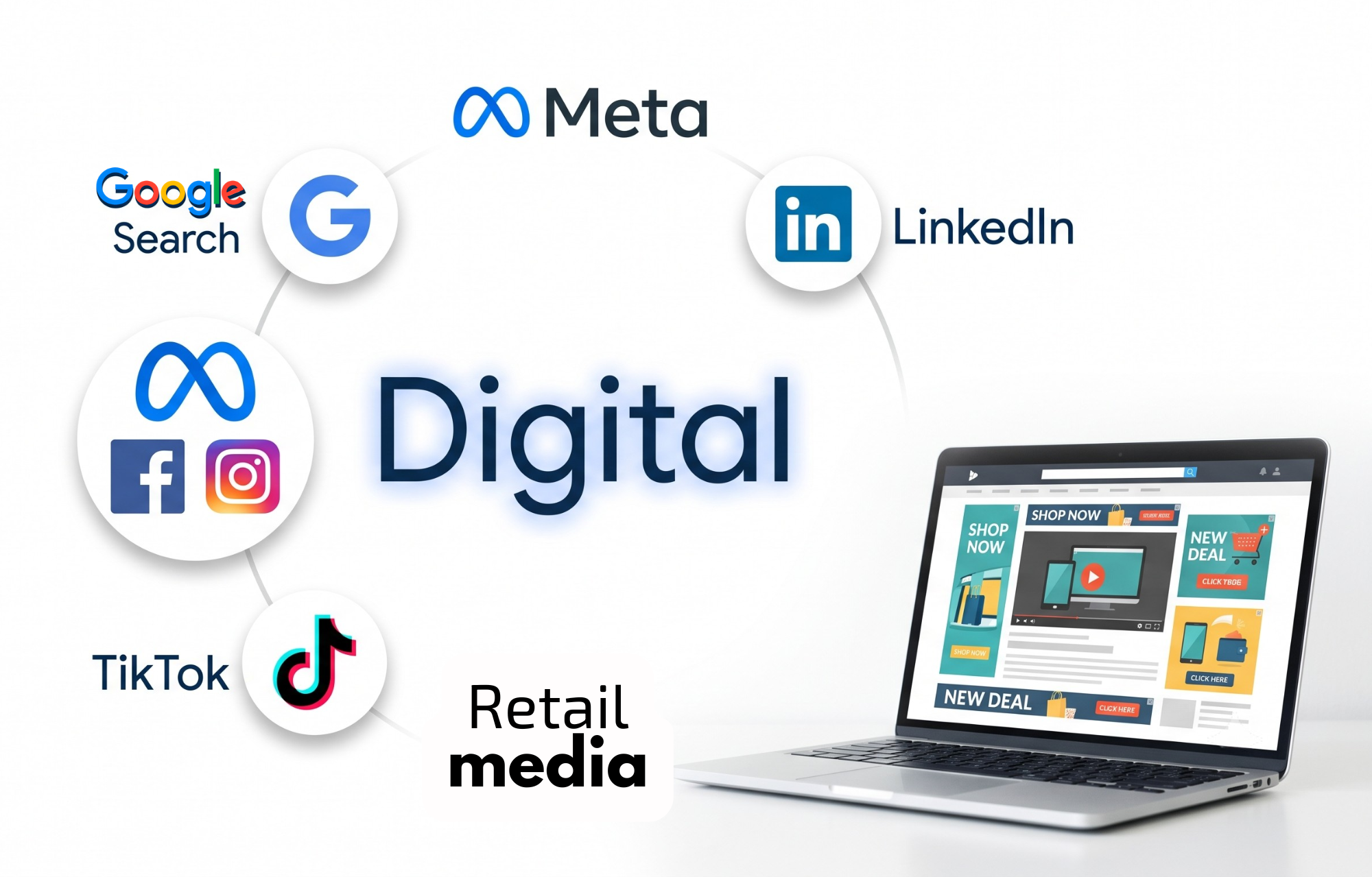
The performance approach: capturing existing demand, converting visitors, generating leads, and selling directly. The indicators are CPA, ROAS, and conversion rate. The natural channels are search (Google Ads), performance social (Meta, TikTok), and retail media.

Brands that only focus on direct performance exhaust themselves: without sustained awareness, acquisition costs mechanically climb. Those that only build awareness without a conversion channel waste their advertising pressure. Most effective plans combine both.

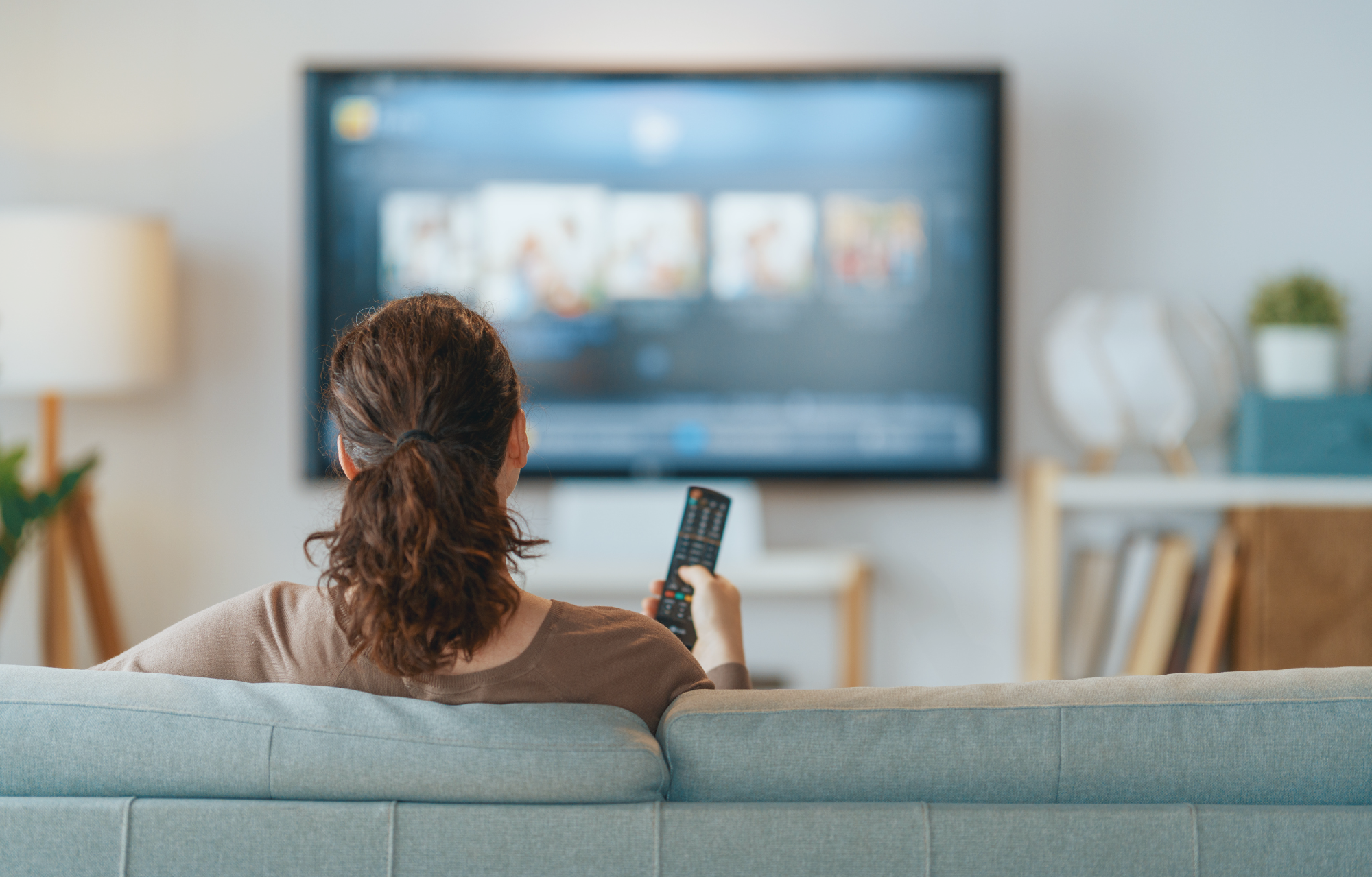
TV: mass power and long recall

TV remains the advertising media that leaves the most durable memory traces. Available studies (source runthecom.re, 2025 recall data) place TV ad recall between 90 and 109 days on average. No other channel reaches this level.

This figure is explained by a combination of several factors: moving images, sound, the viewing context (relaxed, in the evening, often with family), and the natural repetition of prime time. A brand that builds a consistent TV campaign over several waves creates a memory asset that digital alone cannot replicate.

On the other hand, national TV requires significant entry budgets. The average cost of a classic TV spot is €64,000 excl. tax (Adintime 2024 data). The average price of a TV campaign across all formats combined is €11,000 excl. tax (Adintime 2024 data), which includes shorter formats and regional TV.

Addressable TV (segmented TV) allows for geographical or socio-demographic targeting, with more accessible starting budgets (from €5,000 to €15,000 depending on the setup). On paper, it is highly attractive. In practice, creative validation rules, production deadlines, and the minimums required by ad networks make access less straightforward than advertised.

📌 TV = the right channel if: you want to build broad awareness on a mass-market target, you have a high-quality video creative, and your budget allows for at least one short but visible wave.

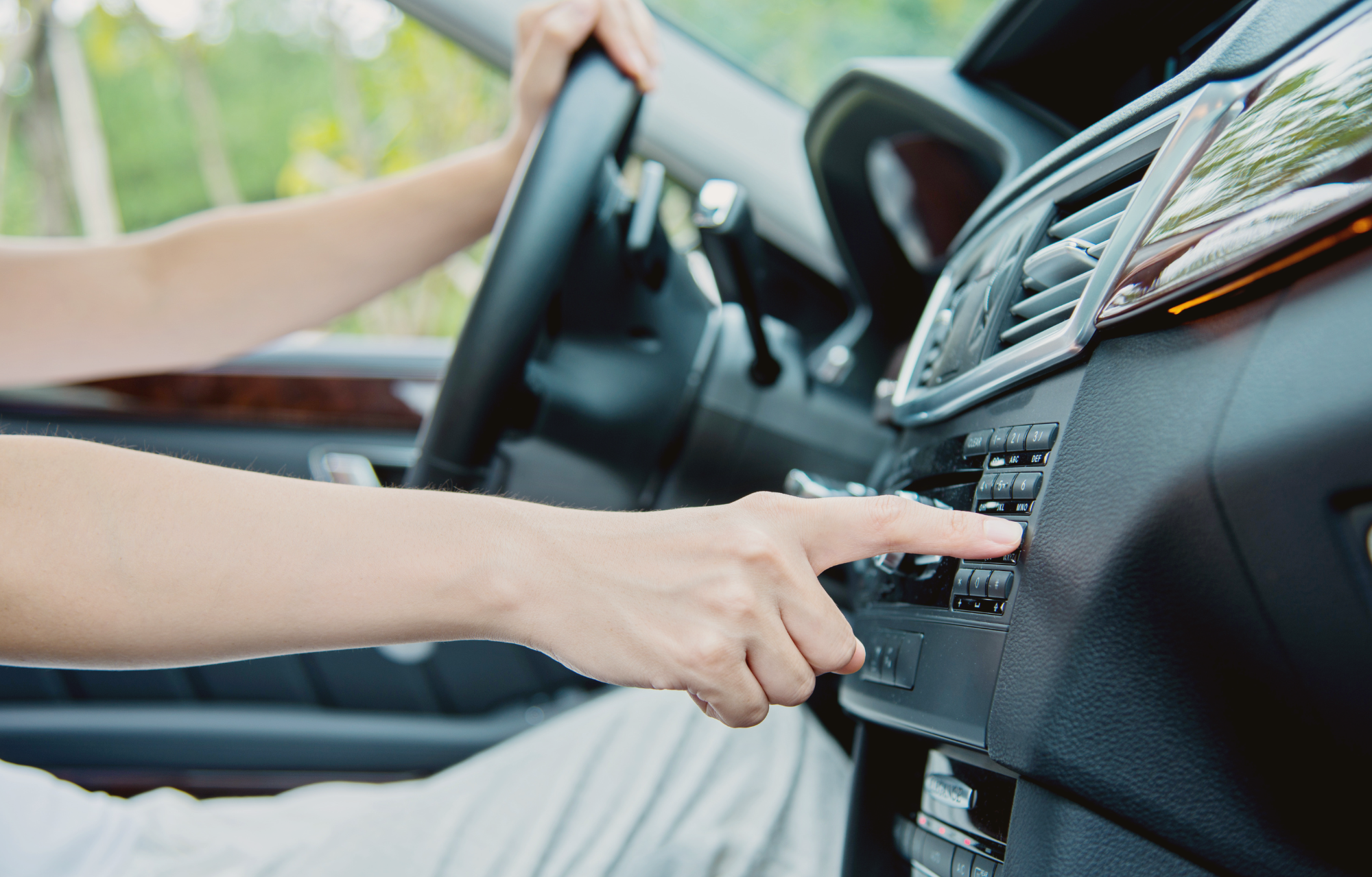
The radio is often the most underestimated channel in SME media plans. Yet, it reaches more than 38 million French people every day (Médiamétrie 2024) and offers very accessible rates at the local level.

Its recall is shorter than TV (7 to 14 days on average), but its capacity to generate frequency compensates for this limit. A spot broadcasted 4 to 5 times a day for 2 weeks on a local radio station prints itself much more effectively than a single high-CPM exposure. Radio does not leave a visual trace, but it creates familiarity with the brand and the message.

Radio CPMs are among the lowest on the market: 2 to 4 euros on local radio stations, with a full campaign (space + production) between 3,000 and 8,000 euros for 2 weeks. National radio stations, which are more expensive, are aimed at budgets of several tens of thousands of euros.

Radio is particularly effective for drive-to-store (announcing an opening, a promotion, a local event), for merchants and SMEs with regional coverage, and for peak commercial periods (sales, back-to-school, Christmas) where the rapid repetition of the message has immediate value.

📌 Radio = the right channel if: you have a local catchment area to cover intensely, a peak commercial moment to announce quickly, and a modest budget but a desire for high repetition.

>>> Discover the audio options available on Adintime and take advantage of launching your radio campaign

OOH / Outdoor advertising: geographical presence and brand anchoring

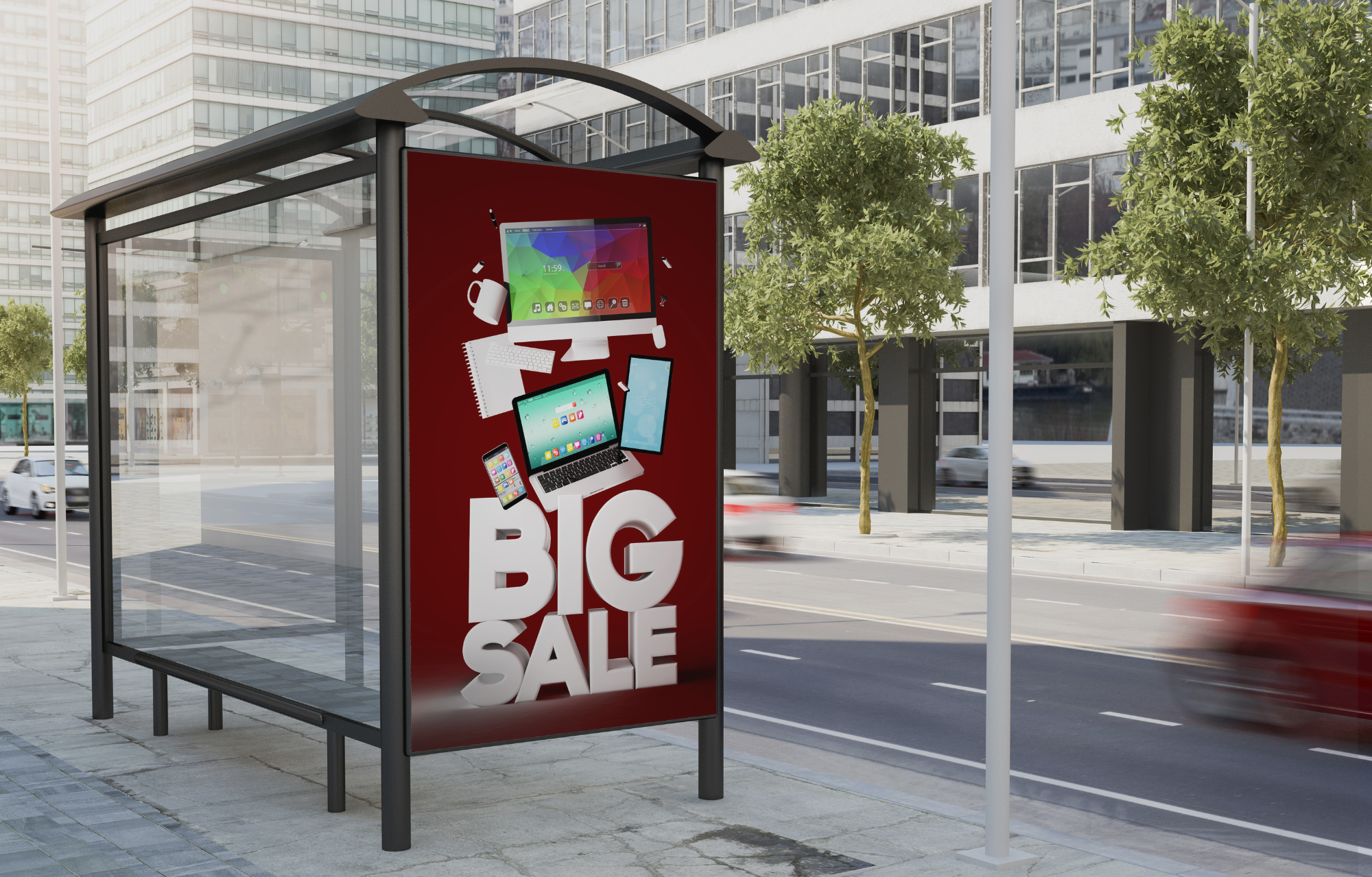
Outdoor advertising (Out Of Home) works differently from other media: the message comes into contact with the audience, not the other way around. No behavioral targeting, no cookies, no algorithms. Just a physical presence in the urban or roadside space.

In terms of recall, OOH positions itself above digital according to available studies (runthecom.re, 2025). Large formats (billboards, street furniture, mupis) create a presence that anchors the brand in the daily environment of exposed individuals. A well-located billboard seen every morning for a week leaves a trace that builds up over time.

DOOH (Digital Out Of Home), which represents a growing share of outdoor inventory, adds a dimension of flexibility: real-time message management, targeting based on time of day or weather, and more precise measurement of exposure. DOOH CPMs remain competitive compared to digital media for local coverage.

Pricing guidelines: a standard billboard in a mid-sized urban area costs between 200 and 600 euros per week. A complete local awareness setup (poster network) generally starts between 3,000 and 10,000 euros for a two-week wave.

📌 OOH = the right channel if: you are targeting a precise geographical area, you want to establish a physical brand presence, or you are looking to drive traffic to a point of sale or an event.

>>> Discover our OOH offers

Digital: performance, targeting and real-time measurement

Digital represented about 68.8% of advertising revenues according to Magna in 2025. This is no surprise: digital platforms allow what traditional media cannot, namely targeting with precision, measuring directly, and adjusting mid-campaign.

But beware of the all-digital illusion. Studies on recall place digital below TV, radio, and OOH. A digital advertisement seen while scrolling an Instagram feed disappears from memory in a few minutes if it is not repeated. Digital is excellent for capturing a demand that already exists, much less for creating it.

The main digital channels and their uses:

  • Search (Google Ads): capturing buying intent. The benchmark direct performance channel for e-commerce and lead generation.
  • Social Ads (Meta, TikTok, LinkedIn): prospecting and social awareness. Meta excels in B2C, LinkedIn in B2B, TikTok for 16-34 year olds.
  • Programmatic display: coverage and retargeting. CPM often between 3 and 15 euros depending on inventory quality.
  • Retail media: incremental sales for distributed brands. Direct measurement of sales.

📌 Digital works best when: it is fueled by channels that have created demand upstream. A search campaign that captures searches generated by a TV or radio wave generally shows better performance than a 100% digital plan.

The press is in structural decline in terms of volume, but it retains an asset that other media do not have: editorial context. Appearing in a leading magazine or a regional daily newspaper means benefiting from a transfer of credibility. The reader grants your brand part of the trust they place in the media.

Press recall is about 14 days. The average attention time per page is much higher than what is observed in digital. And specialized magazines allow precise affinity targeting that few other channels can match at a comparable cost.

Indicative rates: a quarter-page insert in a regional daily costs between 800 and 2,500 euros. A specialized B2B magazine costs a few hundred to a few thousand euros. The national print press remains expensive (several tens of thousands of euros for a full page). The digital press is more accessible, with CPMs often between 3 and 15 euros depending on the publishers.

📌 Press = the right channel if: you are targeting a precise professional or affinity niche, you need editorial credibility, or you operate locally with a strong regional daily newspaper.

>>> Access press spaces on Adintime

Decision table: which media for which objective

🎯 Objective📻 Priority channels📊 KPIs to follow💰 Indicative minimum budget
Fast national awarenessTV, online video (YouTube/TikTok), OOHReach, GRP, recall rate€50,000+ (national TV) / €5,000+ (segmented/local TV)
Local awarenessLocal radio, local OOH, regional pressLocal coverage, frequency€3,000 to €10,000 (2-week wave)
Traffic and considerationSearch, social ads, displayVisits, CTR, CPV€500 to €3,000/month
Conversion and direct salesGoogle Search/Shopping, retargeting, retail mediaCPA, ROAS, conversion rate€500 to €1,500/month minimum
Drive-to-storeLocal radio, geo-targeted OOH, local digitalStore visits, promo codes€3,000 to €8,000 (local campaign)
Qualified B2B leadsLinkedIn Ads, Google Search (intent), professional pressCPL, MQL, qualification rate€1,000 to €3,500/month (LinkedIn)
Credibility and imageMagazine press, sponsoring, TVImage score, aided recallVariable depending on the channel

Why combining channels is almost always the right answer

A single-channel plan is rarely optimal. Studies on advertising effectiveness consistently show that multi-channel campaigns outperform single-channel campaigns, for a comparable budget.

The reason is simple: media channels do not do the same thing. TV creates demand. OOH anchors geographical presence. Radio repeats the message with high frequency. Search captures search intent generated by all the above. Retargeting re-engages people who visited the site without converting.

The most robust model: awareness media (top of funnel) create pressure that translates into brand searches and direct visits. Performance channels (bottom of funnel) capture and convert this created demand.

Advertisers who cut TV and radio budgets in favor of all-digital often observe, 12 to 18 months later, an increase in their search acquisition costs: less advertising pressure upstream means less demand to capture downstream. Cross-channel strategy is not a luxury for key accounts. It is the most effective way to allocate an advertising budget, regardless of its size.

To calibrate your budget according to your channels, consult our guide for low-budget campaigns and our article on how advertising works to lay the foundations.

FAQ: Which media for which advertising objective?

What is the most effective media for brand awareness?

TV remains the media with the longest recall (90 to 109 days on average according to 2025 French studies). OOH also generates good recall and a strong geographical presence. For more modest budgets, local radio offers rapid repetition at an accessible cost. In digital, video (YouTube, TikTok) produces the highest recall scores.

Which advertising channel generates the best return on investment?

ROI depends on the objective. For direct performance (sales, leads), search (Google Ads) and digital retargeting generally display the best CPAs. For long-term awareness, TV produces a higher ROI because the memory effect lasts well after the campaign ends. Marketing studies show that media mixes systematically outperform single-channel plans.

Is TV accessible for an SME?

Classic national TV remains out of reach for SMEs (the average cost of a classic TV spot is €64,000 excl. tax according to Adintime 2024 data). However, addressable TV and regional TV allow for more accessible entry budgets, starting from €5,000 to €15,000 for a short wave. Local media (local radio, regional OOH, regional press) remain the most suitable options for SMEs with budgets of a few thousand euros.

Should you choose between digital and traditional media?

No. Traditional media and digital are complementary, not competing. Traditional media (TV, radio, OOH) create demand and recall. Digital (search, social, retargeting) captures and converts this demand. Advertisers who abandon brand awareness in favor of all-digital generally see an increase in their digital acquisition costs over the medium term.

How do you measure the effectiveness of a radio or OOH campaign?

Without pixels or clickable links, offline media are measured through indirect methods: a dedicated phone number in the spot, an exclusive promo code, a specific URL, monitoring brand searches on Google Trends during the broadcast period, or post-test surveys. An increase in organic searches for the brand name is often the first visible signal of an offline campaign's effectiveness.

Related products

Related posts