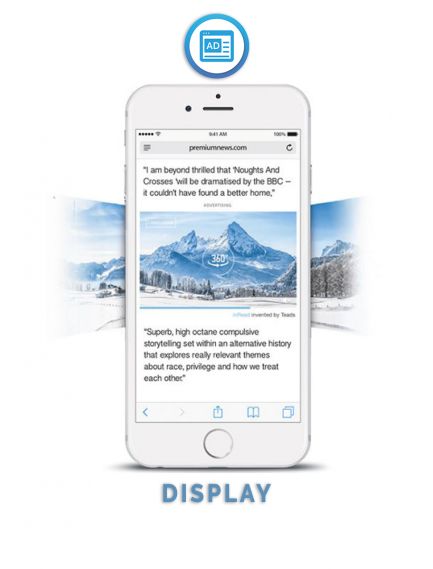
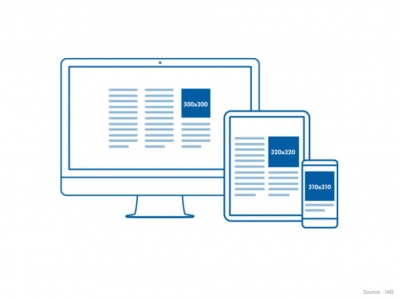
A display campaign isn't just about showing ads on websites: it is designed to visually capture the attention of the target audience and encourage interaction.
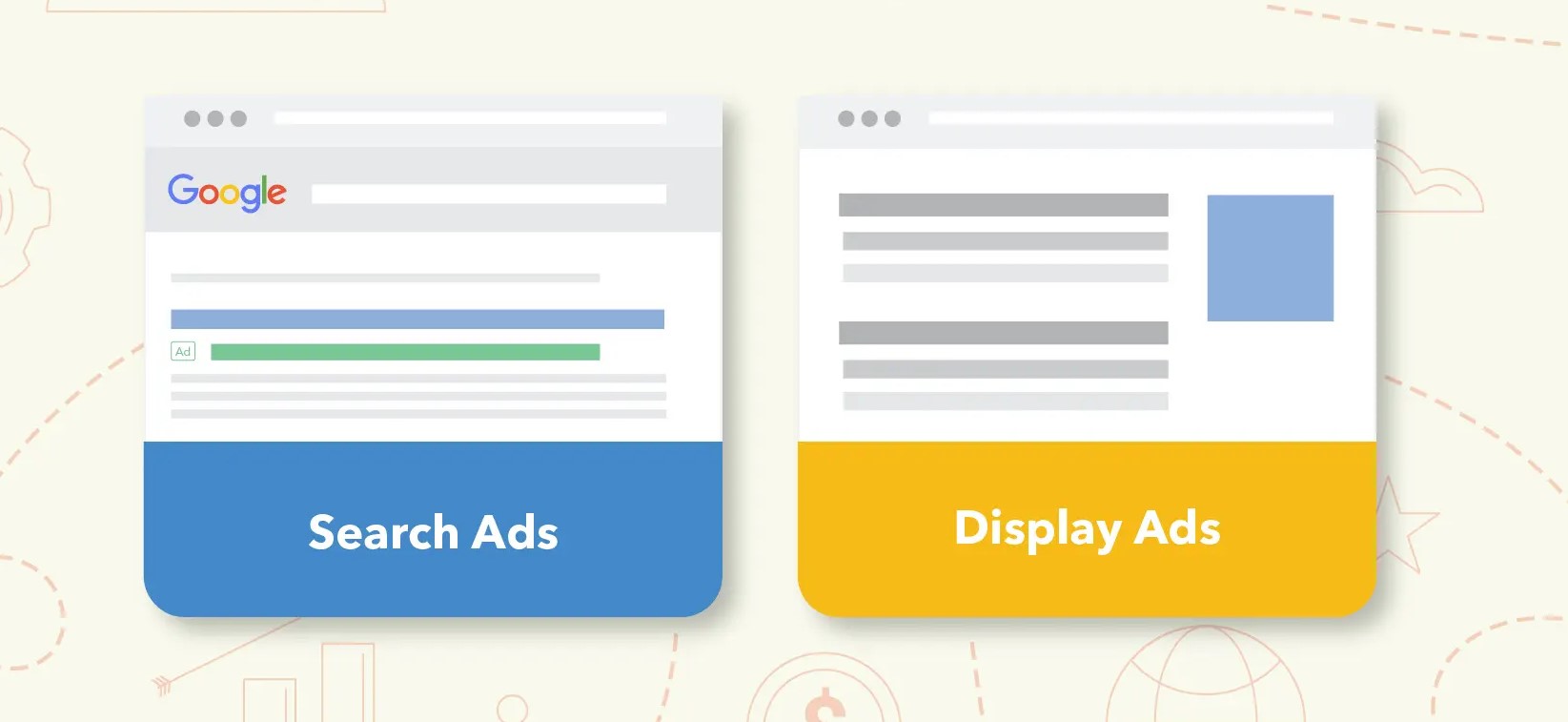
Unlike search campaigns, which appear when a user is actively looking for a product, a display campaign intervenes earlier in the customer journey to create a first contact with the brand. It allows for a campaign focused on awareness and first exposure, whereas search captures intent. Both are therefore complementary.
The formats used, including banners, videos, animated images, or interactive content, are designed to increase engagement and recall, transforming visibility into concrete actions (clicks, leads, conversions).
Main formats for boosting engagement
Display campaign formats and expected impact| Format | Expected impact |
|---|
| Rich media | Direct interaction via animations, mini-games, and carousels |
| Video display | Fast-paced storytelling to boost brand recall and memory impact |
| Native display | Blends seamlessly with content for a less intrusive user experience |
| Interactive content | Encourages specific actions (quizzes, buttons) to drive user engagement |
Why integrate a display campaign into your marketing strategy?
Investing in a display campaign isn't just for big companies. It's an accessible lever for rapid online visibility. It is often the first contact between your brand and your audience. But you need to use it wisely to achieve your objectives.
What's the main advantage of display campaigns?
The main advantage of a display campaign is its ability to generate visibility quickly. It reaches a wide audience, often before the purchase process begins, at a controlled cost for SMEs or start-ups. If your goal is to get noticed or launch a new product, this is a tool you shouldn't ignore.
Achieve your marketing objectives with display
A well-configured display ad can help achieve various objectives:
- Increasing website traffic
- Generating leads
- Developing brand awareness or strengthening your brand image
- B2B retargeting for decision-makers who have already visited your site
Examples of uses depending on your sector
In the fashion or automotive sectors, display is often used to work on image. For a B2B start-up, it becomes a formidable tool for targeting niches. A tourism company, meanwhile, can activate it to promote seasonal offers on specialized sites. Each type of campaign has its own specific use.
Display campaigns: obstacles, preconceived ideas and concrete solutions
Even if they are effective, many companies still have their doubts about display campaigns. Unclear profitability, fear of annoying users, misspent budget... there are many preconceived ideas.
However, when used properly, they can become a real growth lever. Here's how to overcome the main obstacles.
Display campaigns: barriers, misconceptions, and practical solutions| Misconception / Barrier | Reality / Insight | Practical solution |
|---|
| Display isn't profitable | Immediate clicks may be low, but display creates essential visual touchpoints in the user journey. | Optimize with precise targeting, test various formats, and measure assisted conversions. |
| Online ads are intrusive | Some SMEs fear their advertising might alienate or annoy the user. | Design subtle yet attractive visuals, select relevant placements, and set frequency caps. |
| Adblockers stop everything | 36% of users utilize adblockers in 2025 (Source: SRI 2025). | Diversify channels (sponsored content, SEO, influencer marketing) and use "Acceptable Ads" formats. |
| Difficulty measuring results | It is true that some digital metrics can appear complex at first glance. | Track relevant KPIs: impressions, CTR, conversion rate, time on site, and CPM. |
Is display really profitable?
Many companies hesitate to invest in display for fear of a poor return on investment. It's true that display doesn't always generate immediate clicks. But it plays a fundamental role in the user journey, by creating visual touchpoints.
A well-optimized display campaign contributes more or less directly to your conversions.
The intrusive image of online advertising
Some SMEs fear that their advertising will be perceived as aggressive. Yet it's possible to build a discreet, high-quality digital presence. A good visual, a clear message and a well-chosen location will make all the difference. Don't forget that today's users are used to online advertising. It's not the ad that's disturbing, but the way it's displayed.
How to create an effective display campaign
Start by defining a simple goal: awareness, traffic, or conversion.
- Select your target audience.
- Create impactful, visual, and non-intrusive ads.
- Use Google tools to configure your campaign: targeting, budget, duration.
- Monitor the right indicators: impressions, bounce rate, traffic quality, CPM
Monitor the right metrics
Don't stop at click-through rates. Analyze impressions, the quality of traffic generated, time spent on your web pages, and bounce rate. These indicators will tell you whether your efforts are well directed. And don't forget the cost per thousand impressions, which is often very interesting for a small business looking to make a name for itself on a large scale.
Should you manage your campaign yourself or use a platform?
Managing a display campaign on your own can quickly become complex if you lack time or knowledge.
A specialized platform like Adintime can help you implement, target and track your actions. This allows you to stay focused on your business, while leaving the technical side to the experts. A reassuring solution, especially for an initial test.
Click the button below to book your display campaign.




 Top 30 best ad musics of all time (Updated 2026)
 The influence of advertising on purchasing behavior
 What is commercial advertising?
 Top 5 colors to use for creating your advertising posters | Adintime
 Facebook Ads Library: The ultimate guide to winning campaigns
 Movember : How brands can get involved without a misstep ?
 How to build an effective media strategy in 2026
 The AIDA model in advertising : Definition and examples
 First-party data : Definition and challenges in the cookieless era
 Customer Acquisition Cost (CAC) : Calculation and optimization