New ! Find your advertising panels at a glance  DISCOVER

Facebook Ads Library: The ultimate guide to winning campaigns

Pôle Marketing

Article summary : Facebook Ads Library: The ultimate guide to winning campaigns

⭐ The Facebook Ads Library: a strategic resource

  • Meta's free platform created to ensure ad transparency.
  • A goldmine for analyzing competitor campaigns, identifying trends, and fine-tuning your messaging.
  • An invaluable tool for boosting your Facebook Ads campaign performance (ROI).

🔍 How to use it? 

  • Access: Directly via the official website, no Meta account required.
  • Search methods:
    • By advertiser name (to view all their active and historical ads).
    • By keyword (to find ads using a specific term).
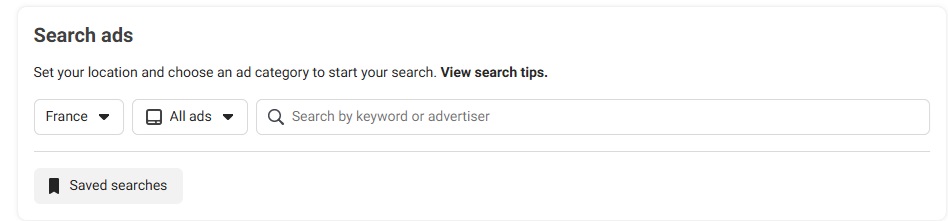
  • Essential filters: Location (customer country) and Ad Category ("All Ads" by default).

📈 3 Key benefits

  • Competitive intelligence: Identify winning campaigns (longevity = profitability) and analyze targeting clues (B2B vs. general audience tone/visuals).
  • Creative inspiration: Detect high-performing formats (short video, carousel) and study copywriting frameworks (AIDA and PAS models).
  • Brand control: Spot counterfeits, unauthorized logo use, or stolen images to protect your reputation.

💡 Expert tips for mastering the tool

  • Precise filtering: Separate ads by platform (Facebook vs. Instagram) to tailor your analysis to long or short copy formats.
  • Date analysis: Sort by run duration to distinguish between tests (recent) and proven winners (long-running).
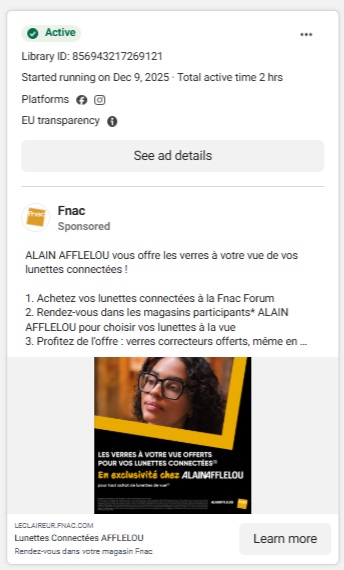
  • CTA analysis: The button (Shop Now, Sign Up, Learn More) reveals the competitor's funnel strategy (immediate conversion, lead generation, or awareness).
  • Visible targeting clues: Geographical spend (resources invested by country) and demographics (age/gender in some cases) hint at the competitor's core target.

⚠️ What the tool does not reveal

  • Financial secrets: The exact amount spent and precise ROI remain hidden (only a range is provided).
  • Granular targeting: Detailed interests (e.g., "likes Nike and travels often"), specific behaviors (e.g., "frequent buyers"), and custom audiences are confidential.

With millions of ads running daily across Facebook and Instagram, it's crucial to observe what other advertisers are doing to optimize your own campaigns. The Facebook Ads Library was initially created by Meta to ensure ad transparency across its platforms, but it has proven to be much more than a simple monitoring tool, this free platform is a goldmine.

When utilized correctly, brands, e-commerce businesses, and agencies can analyze competitor ads, understand which strategies are driving success, and identify emerging trends. If you're looking to improve the performance of your Facebook Ads campaigns, this tool is an invaluable resource for refining your messaging.

This detailed guide will show you how to leverage the Facebook Ads Library to its full potential for a strategic advantage.

Summary of the article

  1. How does the Facebook Ads library work?
  2. The 3 advantages of the Facebook ads library
  3. Our expert tips for mastering the tool
  4. A few limitations: what the Facebook library cannot tell us

How does the Facebook Ads library work?

Rest assured, you don't need to be a tech expert or a Meta Ads specialist to use it! Accessing the Facebook Ads Library is straightforward. Just follow these steps to launch your first advertiser search.

1. Access and navigation

Location: Select the country where your customers are located. This ensures you see the ads actually targeting that market.

Ad category: Always leave the default option: "All ads." This includes all commercial announcements, from e-commerce to services.

2. The different search types

You have two primary ways to find the ads you are looking for:

  • Search by advertiser: This is the most common method. Type the exact name of the Facebook page of your competitor or a major brand. This will display all their active and past advertisements.
  • Search by keyword: Type a specific term (e.g., email automation, lead generation). The tool will show you all active ads that use this keyword in their text.

The 3 advantages of the Facebook ads library

Why waste time guessing your next campaigns? The Ads Library provides concrete answers and can save you money (and time) on unnecessary testing. Its main benefits are as follows:

1. Competitive intelligence

The ability to finely analyze a competitor's strategy is a key driver for growth. By methodically using this tool, you stop guessing and start analyzing.

  • Identify winning campaigns (a profitability indicator):

The secret lies in filtering by run duration. This is a reliable analysis criterion. If an ad has been running for 60, 90 days, or more, you can consider it a successful ad. Why? Because the company is paying to keep it active. They wouldn't do that if it wasn't profitable!

Your role: Analyze this ad like a strategic blueprint. Identify the core message and dissect the offer that ensures the campaign's longevity. These factors constitute the pillar of the brand's commercial effectiveness.

  • Analyze targeting through language and image

Every word and image is chosen for a precise audience. Observe the tone: is it professional, humorous, direct, or very friendly?

Examples: The use of technical vocabulary paired with complex dashboard visuals may signal an intention to reach a professional audience (B2B). Conversely, simple language, the use of emojis, and a relaxed approach clearly indicate targeting towards a younger or mass-market audience. By decoding these signals, you gain direct insight into the audience profile that your competitors are successfully engaging, allowing you to adjust the tone and message of your own campaigns.

2. Trend analysis and creative inspiration

  • Draw inspiration from creatives: The idea here is not to copy the visuals but to analyze performance, format, and detect working trends. If everyone in your sector is using the short video format (UGC style - user-generated content), perhaps you should also consider implementing this type of format. If, on the other hand, the long-running ads are carousels, it indicates that the customer needs several steps to be convinced. Look at how the image or video is used. Does it show the problem at the beginning (to grab attention) or the post-purchase result (to create desire)?
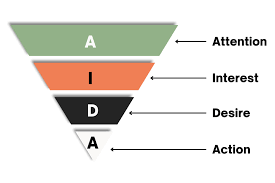
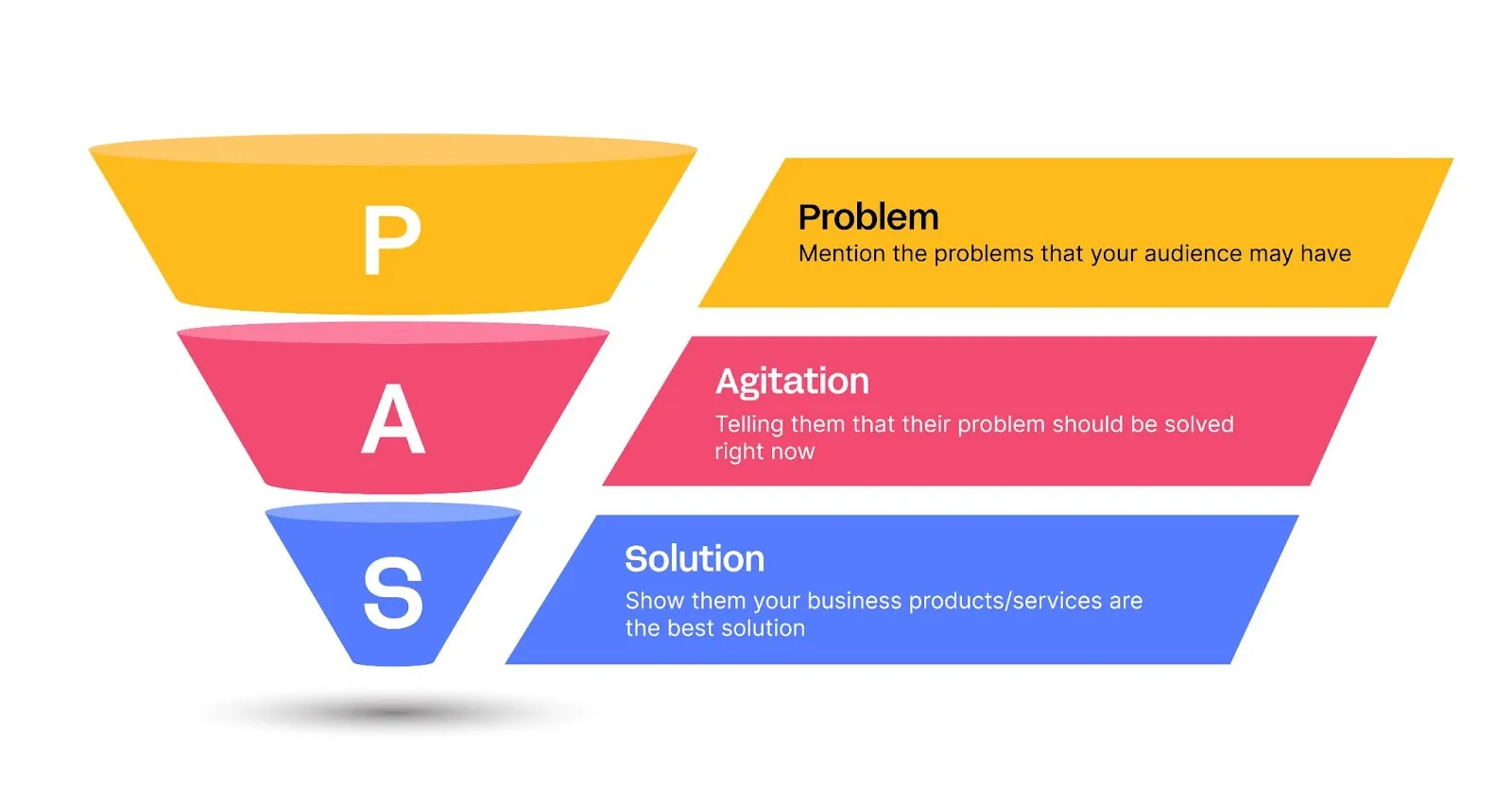
  • Analyze the copywriting: The ad copy is your playground. Study the structure of effective ad texts. The best ad copies are not written randomly; they follow precise frameworks to guide the customer toward a purchase. Do they follow the AIDA model, leading the customer step-by-step? Or is the PAS model most effective by first pressing on the customer's pain point?

The AIDA model

AIDA is a simple four-step blueprint:

  • Attention
  • Interest
  • Desire
  • Action

In the ad, the copy starts with a sentence that stops the customer (Attention). It then provides information that makes them curious (Interest). Next, it showcases the benefits so the customer wants to buy (Desire). Finally, it ends with a clear command (Action: "Click here!"). This is a complete structure that leads the customer step-by-step toward the sale.

The PAS model

PAS is a framework focused on the customer's pain point:

  • Problem
  • Agitate
  • Solution

In the ad, the copy starts by highlighting a problem the customer is facing (example: "Are you tired of wasting time?"). It then emphasizes the difficulty or cost associated with that problem (Agitate). Finally, it presents the product as the only simple answer to resolve that issue (Solution). This structure is highly powerful because it uses emotion and the need to avoid pain to motivate the purchase.

3. Brand control and brand safety

This benefit is often underestimated, but it is vital for the health of your brand. It is essential to monitor abusive usage, but how?

  • You can simply search for your brand name, your logo, or a specific product name. This is crucial for detecting counterfeits or companies attempting to mislead customers by using your image.
  • If a competitor is running an ad using a stolen image from your site or a fake testimonial, the library allows you to spot it and act quickly. This is a simple tool for reputation control and ensuring that only your authorized messages are circulating.

By integrating these levels of analysis, the Facebook Ads Library moves from being a simple tool to becoming a true strategic intelligence center.

Our expert tips for mastering the tool

Want to move from simple observation to strategic analysis? Here are the shortcuts we recommend for saving time and finding the best insights.

Tip N°1: Filter with precision

To properly analyze ads in the Facebook Ads Library, you must use the filters as a sorting tool. The goal is to separate the ads to better understand what makes them perform well. You must choose only one thing at a time to ensure the analysis is very clear.

1. The platform filter: Where is the ad?

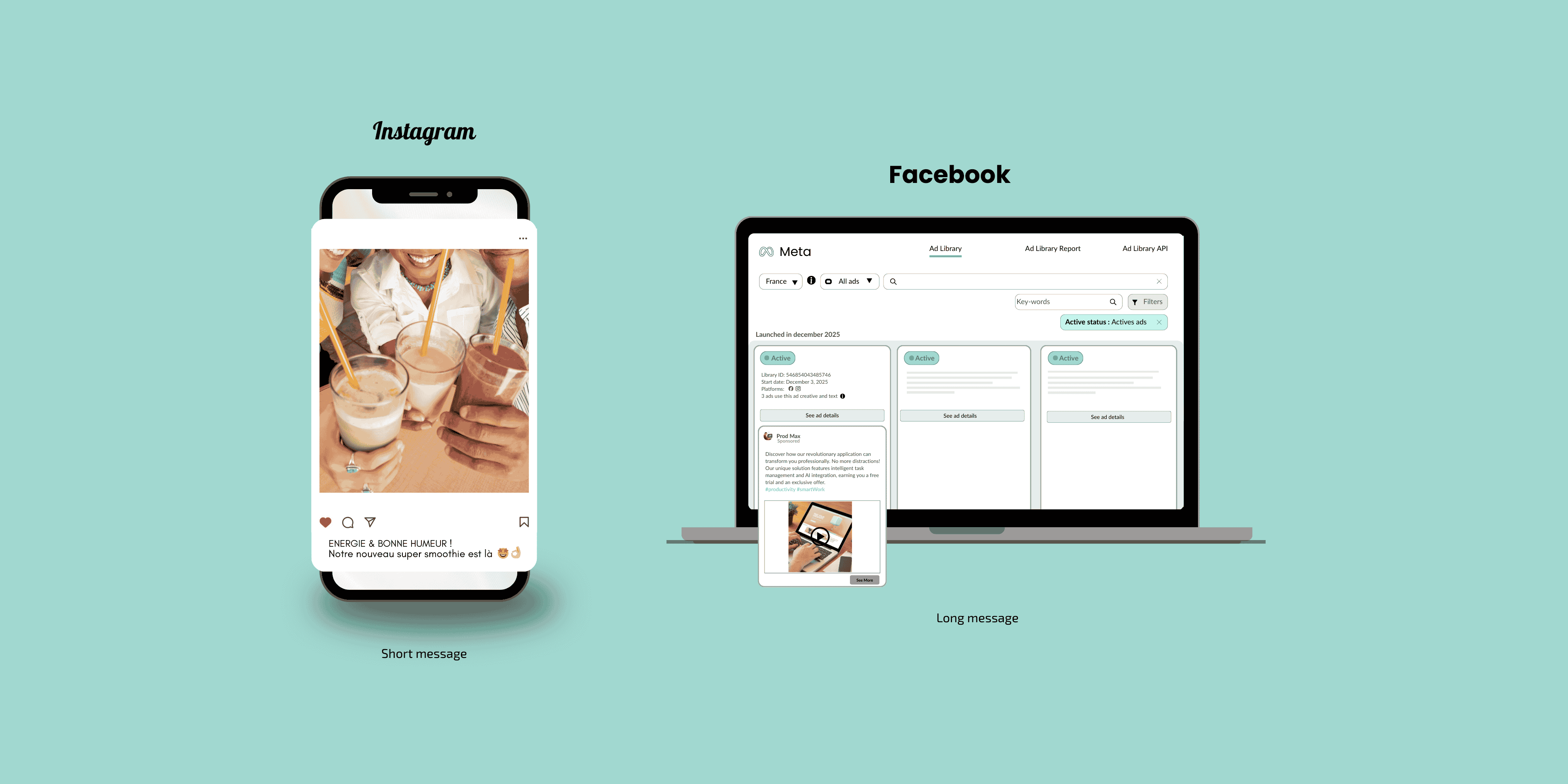
The Ads Library shows ads running on Facebook and on other applications, such as Instagram, which is owned by Facebook. The location where the ad is shown changes the way it is written. It is therefore crucial to use this filter to separate Facebook and Instagram ads, as they do not function the same way, and to analyze the message style.

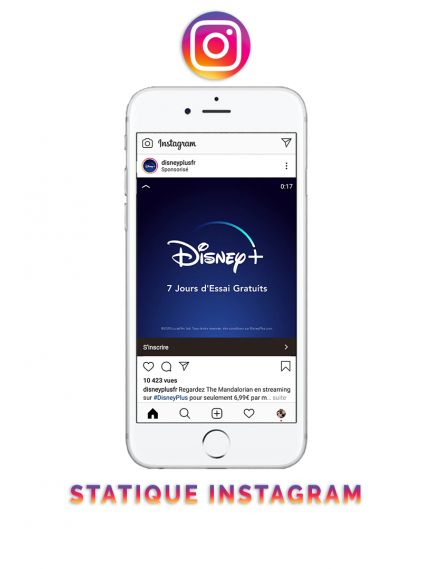
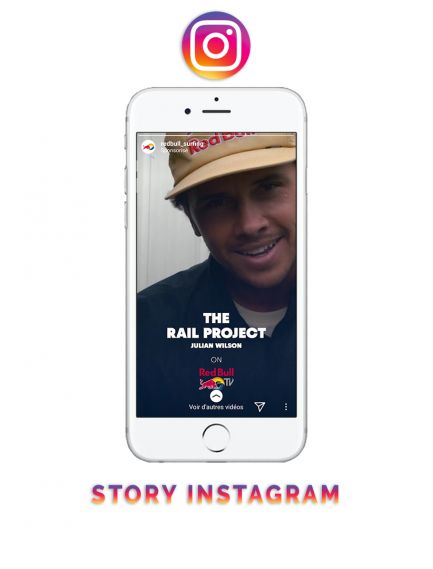
  • Analyze Instagram (focus on visuals and short copy): Here, the image or video is paramount. If you filter to see only Instagram ads, you are studying a space where users quickly scan visuals. Observe how advertisers convey the most important message in just a few words. If the ad is effective, it means the message is very brief, crystal-clear, and delivers an immediate impact. The text cannot be long.
  • Analyze Facebook (focus on explanation and long copy): On this platform, people are more open to reading a longer text. Therefore, study how the advertiser builds their argument and explains the reasons to purchase. Look for whether the copy tells a story or provides extensive details. If the ad is long and performing well, it indicates that the rationale for buying is extremely well-established.

2. The date filter: How long has the ad been running?

This filter is essential because it allows you to differentiate between a simple test and a confirmed successful advertisement.

  • Sort by recent date: These are the new tests. When you filter to see ads that have just been launched, you see the market's latest ideas. This is useful for identifying current trends, and also for spotting marketing seasonality or a brand's key periods.
  • Sort by old date: This is a critical section because these are the best-performing ads. If an ad has been running for several months, it is a guaranteed success. The advertiser only keeps it active if it is generating profit. These are the successful formulas you need to study. Look at the main benefit these ads highlight to attract customers and how they are written to remain effective over time.

Tip N°2: Analyzing the call-to-action (CTA)

The call-to-action button is a clue about the ad's objective. It's the first thing you should analyze.

Examining CTAs in the Facebook Ads Library is much more than mere observation; it's a direct deep dive into your competitors' funnel strategy.

The choice of CTA, combined with the ad's longevity, gives us clues about the primary goal of the advertising investment:

1. Immediate conversion CTA ("Shop now" / "Order now")

  • Meaning: If this type of ad is run for a prolonged period (several months), it indicates that the product or offer is an immediate success with an excellent Return on Investment (ROI). The competitor is targeting the lowest stage of the funnel (the decision phase) and is likely targeting new customers or returning visitors.
  • Implication for you: Their offer is strong enough to convert quickly. You must thoroughly analyze what they are doing on their sales page (their pricing, guarantees, etc.) to understand their secret.

2. Lead generation CTA ("Sign up" / "Download" / "Learn more")

  • Meaning: If these CTAs run for a long time, they signal a priority placed on building the database (leads). The competitor is investing in the middle of the funnel, seeking to nurture customer relationships before selling. The ad creative will often be value-focused (free eBook, webinar, trial).
  • Implication for you: They are relying on a long-term profitable strategy. You absolutely must analyze the quality of their free offering (their "lead magnet") so that you, too, can capture emails from interested customers.

3. Awareness CTA ("See more" / "Read more")

  • Meaning: When a competitor maintains this type of ad, they are primarily looking to maximize brand awareness or drive quality traffic to blog content or an explanatory video (top of the funnel).
  • Implication for you: Their goal is not immediate sales, but market education and authority building. You should evaluate whether your own brand also needs to invest in this awareness phase.

Tip N°3: Analyze brands' targeting

Meta does hide detailed interests, which is true. But the tool still gives you very precise clues about who brands are trying to reach! Don't rely only on the message; look at where efforts are concentrated.

Targeting is revealed in resources

When you view an ad, you gain access to a section that discloses where the advertising budget was allocated. This data is crucial:

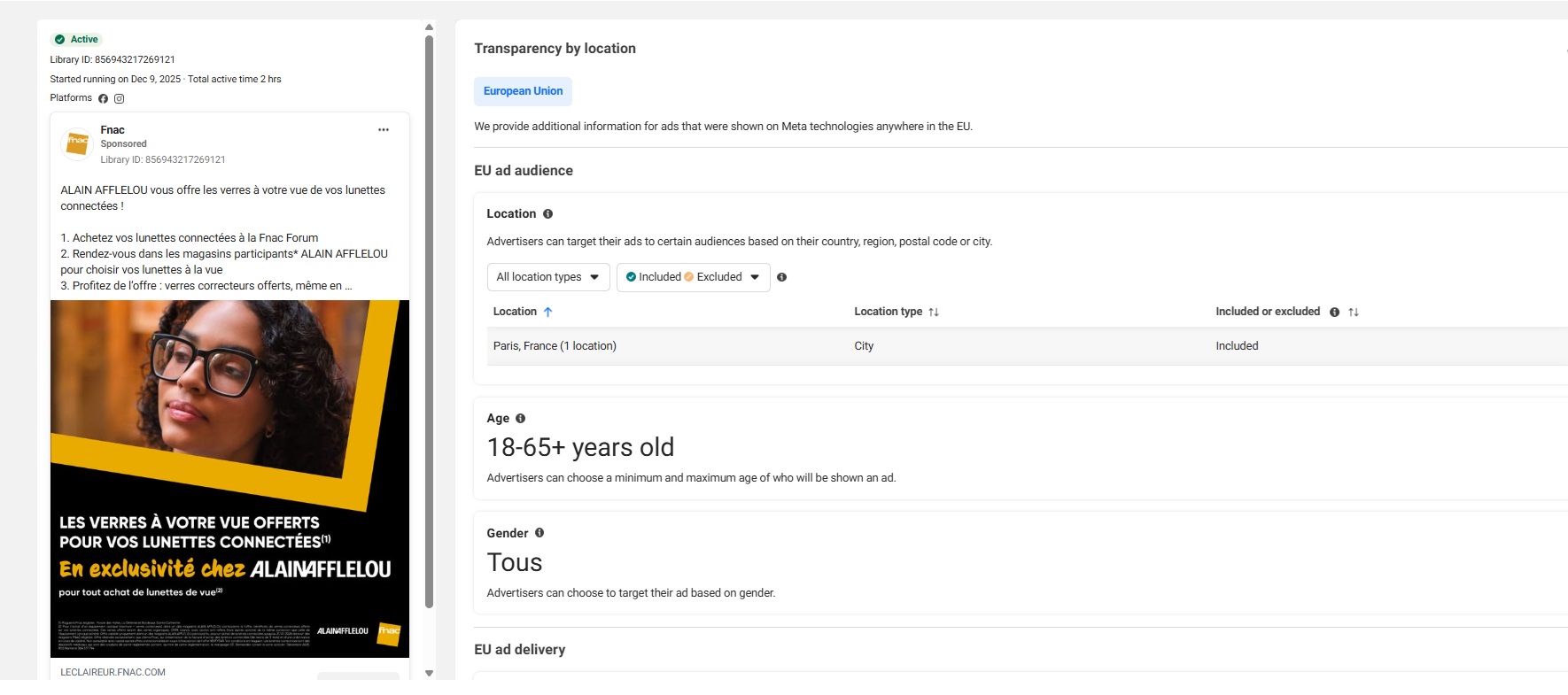
  • The geographical factor is visible: The tool shows you how much budget the company has allocated to different countries or regions. If 80% of their efforts are directed toward Quebec, you know their priority is the Quebec market. That is direct targeting information!
  • Age and gender are sometimes displayed: For certain specific ads (related to politics or social issues), Meta shows the breakdown of spending by age range and gender. If 70% of resources target "Women 35-44," you know who their demographic core target is.
  • The platform is a clue: If the ad runs only on Instagram, it often targets a younger audience. If it is everywhere, the targeting is broad.

This information allows you to confirm where the competitor is fighting hardest and who they believe their most profitable customer is (in terms of location and demographics). Use these clues to direct your own resources and aim where the potential is strongest!

A few limitations: what the Facebook library cannot tell us

The Facebook Ads Library is powerful, but it has strict limitations. Knowing what it doesn't reveal is just as important as knowing what it does.

1. It hides financial secrets: It provides neither the exact amount spent nor the precise ROI of the ad. It only gives a range.

  • The exact budget spent: You will never see the precise sum (for example: "This ad cost €45,873.22").
  • The Return on Investment (ROI): This is the most secret piece of data. You will never know if the ad made €2 for every €1 spent, or if it resulted in a loss.

2. It hides targeting details: Even though the Facebook Ads Library is a transparency tool, Meta keeps the finer details of targeting secret.

What you will never see:

  • Detailed interests: You will never see that the ad targets "people interested in video games, who like Nike, and who travel often." These precise details remain confidential.
  • Behaviors: You will not see if the ad targets "frequent online buyers" or "people who use a certain type of phone."
  • Custom audiences: It is impossible to know if the competitor is targeting their own client list or lookalike audiences based on their clients.

You now have the roadmap for decoding the campaigns of your competitors and the brands that inspire you. By analyzing the longevity of the ads and the choice of their CTA, you gain insights into their strategies: are they aiming for sales, leads, or awareness?

Take the ideas that work, adapt them to your brand's tone and values, but most importantly, improve the execution!

Related products

Related posts